

Common Issues and How to Prepare Your Vehicle
Winter weather can be tough on both you and your car. Cold temperatures, icy roads, and snowstorms bring a set of challenges that can make even the most reliable vehicles struggle. Understanding the common problems that cars face during the colder months is key to keeping your ride safe and running smoothly. Let’s dive into some of the main reasons cars can struggle in winter, and how to prevent these issues.
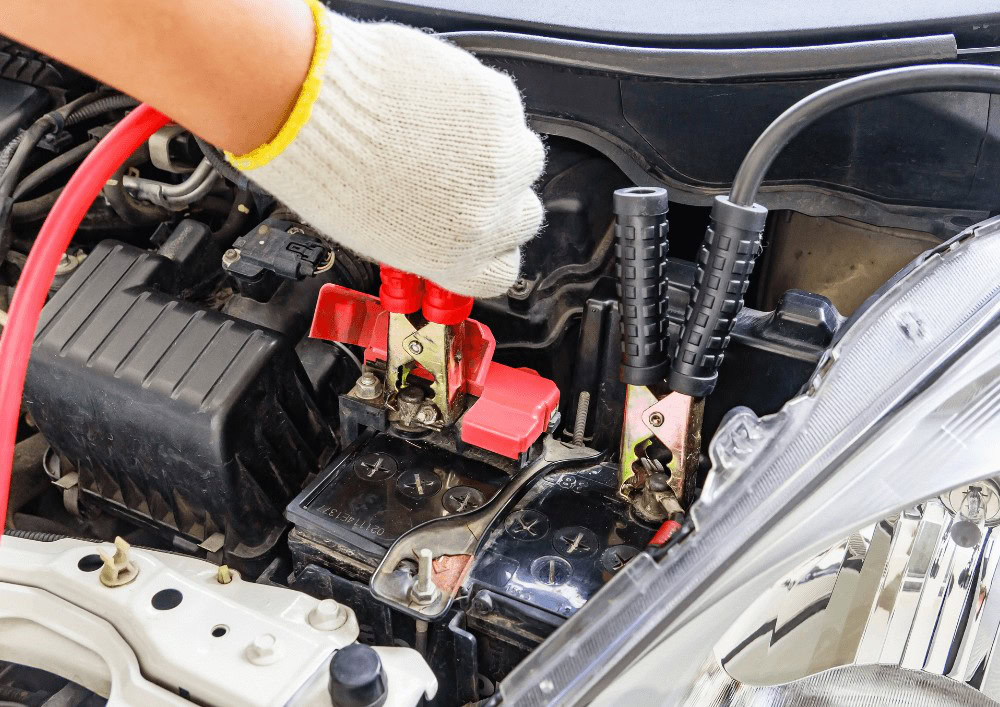
1. Dead Batteries
One of the most common winter problems for cars is a dead or weak battery. Cold temperatures can cause the chemical reaction inside your battery to slow down, reducing its ability to generate power. This is why winter mornings often lead to frustrating no-start situations. If your battery is already a few years old or showing signs of wear, it might not have enough juice to start your car when temperatures drop.
Tip: Have your battery checked before the winter months begin. Many auto parts stores will test it for free, and replacing an aging battery can save you from being stranded on a chilly morning.

2. Balding or Worn-Out Tires
Winter roads can be slippery, and bald tires make it harder to get traction on snow or ice. The treads on tires are designed to grip the road, but if your tires are worn down, they can’t perform as effectively. This is especially dangerous in winter when roads are slick, as you might experience more hydroplaning or difficulty stopping.
Tip: Check the tread depth of your tires and consider investing in winter tires if you live in an area that gets a lot of snow or freezing temperatures. Winter tires are specifically designed to perform better in these harsh conditions.

3. Worn-Out Wipers
Visibility is crucial in winter, but worn-out wiper blades can make it difficult to see through snow, sleet, or rain. If your wipers are old or have cracks, they won’t clear the windshield effectively. Plus, cold weather can cause rubber to harden, making the blades less efficient.
Tip: Replace your wiper blades before the snow hits. You can also use winter-grade wiper fluid, which is designed to prevent freezing and help keep your windshield clear during those icy drives.
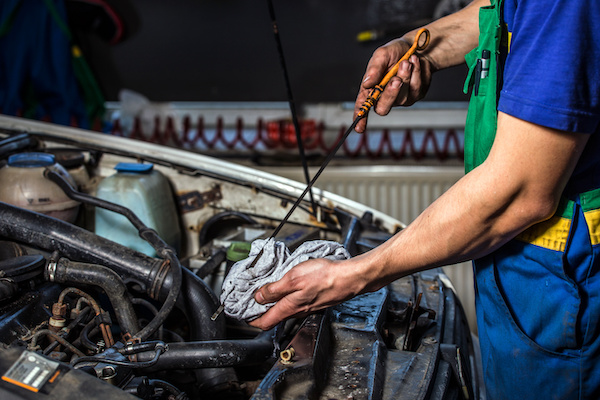
4. Thick Oil and Poor Engine Performance
In cold temperatures, engine oil can thicken, which means it doesn’t flow as easily to lubricate your engine components. This can cause your engine to struggle, particularly when you first start it up in the morning. Thick oil can lead to increased wear and tear and even engine damage if not addressed.
Tip: Make sure to switch to the correct grade of oil for winter. Many drivers use synthetic oil in winter, as it tends to flow better in cold temperatures and offers better protection for your engine.
5. Frozen Fuel Lines
Water can accumulate in your gas tank or fuel lines, and when the temperature drops, this water can freeze, causing blockages that prevent fuel from flowing to the engine. This can lead to starting issues or even a complete breakdown.
Tip: Use a fuel-line antifreeze additive to help prevent the buildup of moisture in your fuel system. It’s a simple, cost-effective way to avoid this potentially costly problem.
Conclusion
Winter conditions can be tough on your vehicle, but with the right precautions, you can help ensure your car runs smoothly throughout the season. Regular maintenance, such as checking your battery, replacing worn tires and wipers, and using the right oil, can go a long way in preventing wintertime breakdowns. Take a few steps now, and your car will be better equipped to handle whatever the winter throws its way!
 Motor keeper
Leave a comment