
What You Need to Know Before Buying
Turbocharged engines have become a popular option in modern cars, offering a balance of performance and efficiency that many drivers find appealing. However, if you’re considering a vehicle with a turbo engine, it’s important to understand what a turbo is, how it works, and how it differs from other types of engines. This knowledge will help you make an informed decision when purchasing your next vehicle.
What is a Turbo Engine?
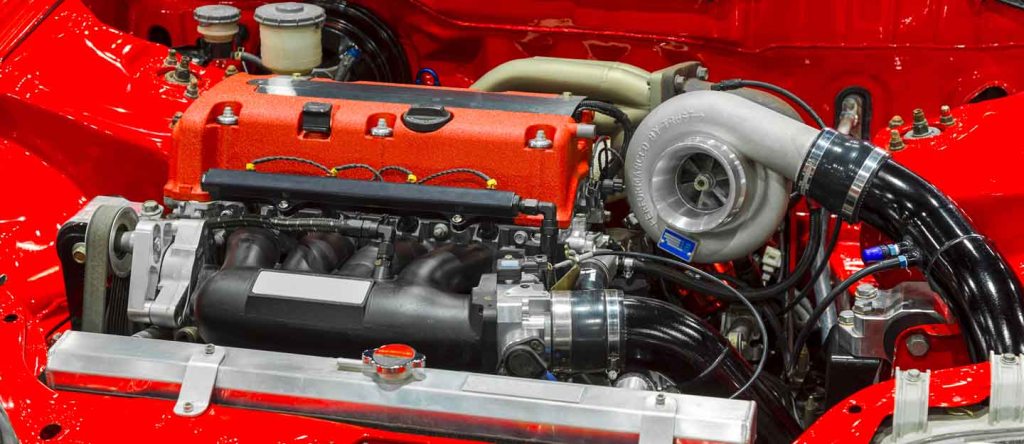
A turbocharged engine uses a turbine-driven forced induction system to boost engine performance. Essentially, a turbocharger forces more air into the engine’s combustion chamber, allowing the engine to burn more fuel and produce more power without increasing the engine size. This results in more horsepower and torque, which translates into better acceleration and overall performance.
How Does a Turbo Engine Work?
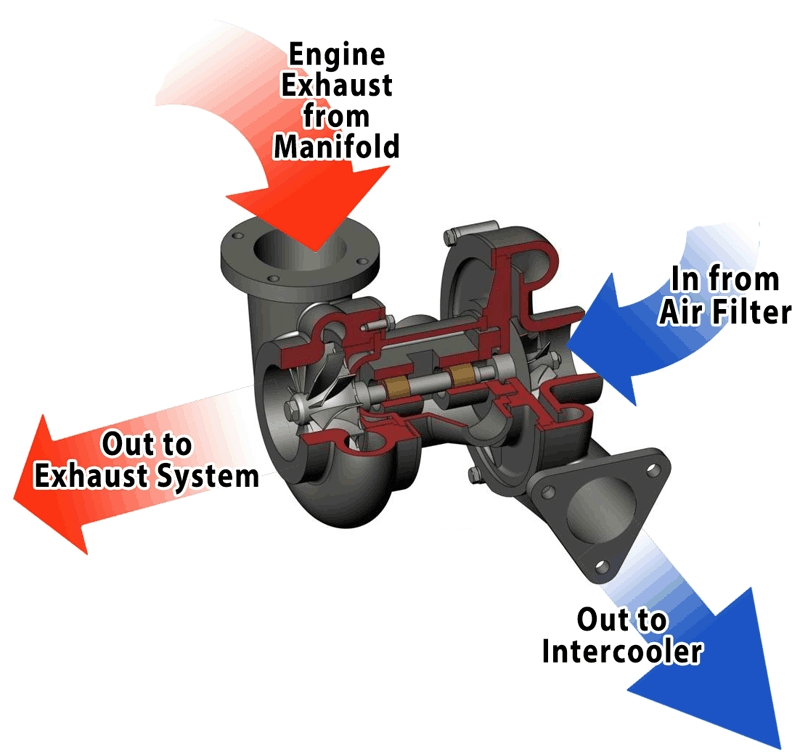
The turbocharger itself consists of two main components: a turbine and a compressor. The turbine is powered by exhaust gases produced by the engine, which spin the turbine blades at high speeds. The spinning turbine powers the compressor, which forces additional air into the engine’s intake. This increased airflow allows the engine to generate more power from the same amount of fuel, enhancing both performance and efficiency.
Turbo vs. Naturally Aspirated Engines
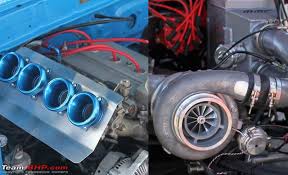
One of the main differences between a turbocharged engine and a naturally aspirated engine is how air is delivered to the engine. Naturally aspirated engines rely on atmospheric pressure to draw air into the engine, while turbocharged engines use a turbocharger to force more air in. The benefits of a turbocharged engine include:
- Increased Power: A turbo engine can produce more horsepower than a similarly sized naturally aspirated engine, giving you a faster, more responsive driving experience.
- Better Fuel Efficiency: By increasing the amount of air and fuel burned, turbo engines can be more fuel-efficient, especially when compared to larger naturally aspirated engines that produce more power without boosting fuel economy.
However, turbocharged engines also have their downsides. They can be more complex and costly to repair, and they often require more maintenance. Additionally, turbo engines can be subject to “turbo lag,” a slight delay in power delivery as the turbocharger spools up.

Things to Consider Before Buying a Turbocharged Car
When buying a car with a turbocharged engine, there are a few key factors to consider:
- Fuel Efficiency vs. Power: Turbo engines are designed to offer a balance between performance and efficiency, but your driving habits may affect fuel consumption. If you often drive aggressively or on highways, you may notice the turbo engine providing great fuel efficiency. However, in stop-and-go city driving, the engine may consume more fuel.
- Maintenance and Durability: Turbocharged engines generally require more maintenance than naturally aspirated engines. The turbocharger itself can be expensive to repair or replace, and you’ll need to ensure the engine’s oil is changed regularly to prevent wear on the turbo components. Look for cars with a strong warranty for peace of mind.
- Driving Experience: Turbo engines often provide a sportier, more responsive driving experience with increased acceleration and a thrilling performance. However, the tradeoff can sometimes be in the form of more road noise or engine heat. If driving excitement is important to you, a turbocharged engine might be worth considering.
- Longevity: While turbo engines can last as long as naturally aspirated engines if well-maintained, it’s important to keep in mind that turbo components are under more stress, and neglecting maintenance can shorten their lifespan.
Final Thoughts
Turbocharged engines can provide an excellent combination of power and fuel efficiency, making them a solid choice for those who want a dynamic driving experience without sacrificing too much on gas mileage. However, before purchasing a vehicle with a turbo engine, it’s essential to consider the associated maintenance requirements and potential repairs. With proper care, a turbo engine can deliver years of enjoyable driving.
 Motor keeper
Leave a comment