
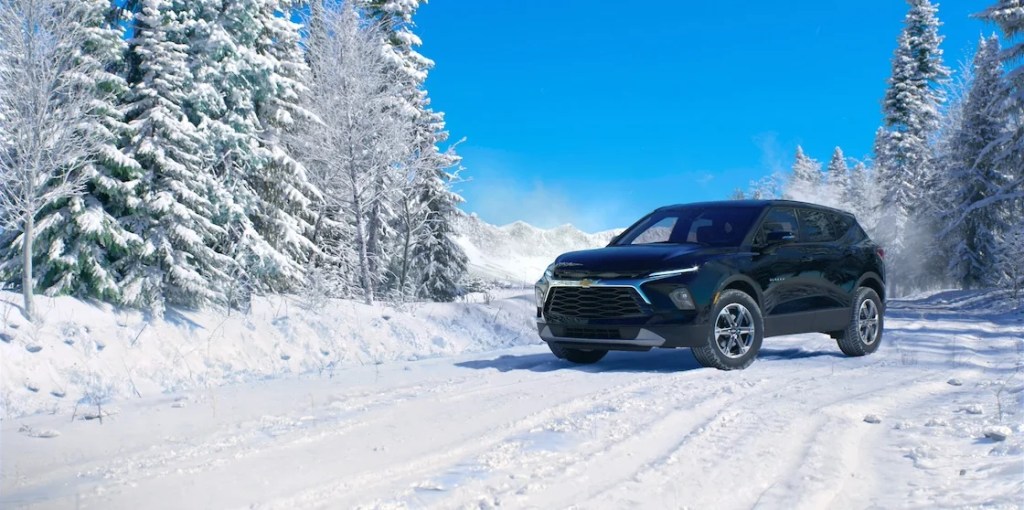
Essential Tips for Cold-Weather Care
Winter can be tough on your vehicle. From icy roads to freezing temperatures, the cold months can cause significant wear and tear on your car. Taking proactive steps to protect your vehicle not only ensures it runs smoothly but also helps avoid costly repairs. Here are essential tips for safeguarding your vehicle during winter.

1. Check Your Battery
Cold weather can have a severe impact on your car’s battery. Low temperatures can reduce its efficiency, leaving you stranded with a dead battery. Ensure that your battery is in good condition by following these steps:
- Have your battery tested before the season starts.
- Clean any corrosion from the battery terminals to maintain a good connection.
- Replace old or worn-out batteries that may struggle in cold weather.
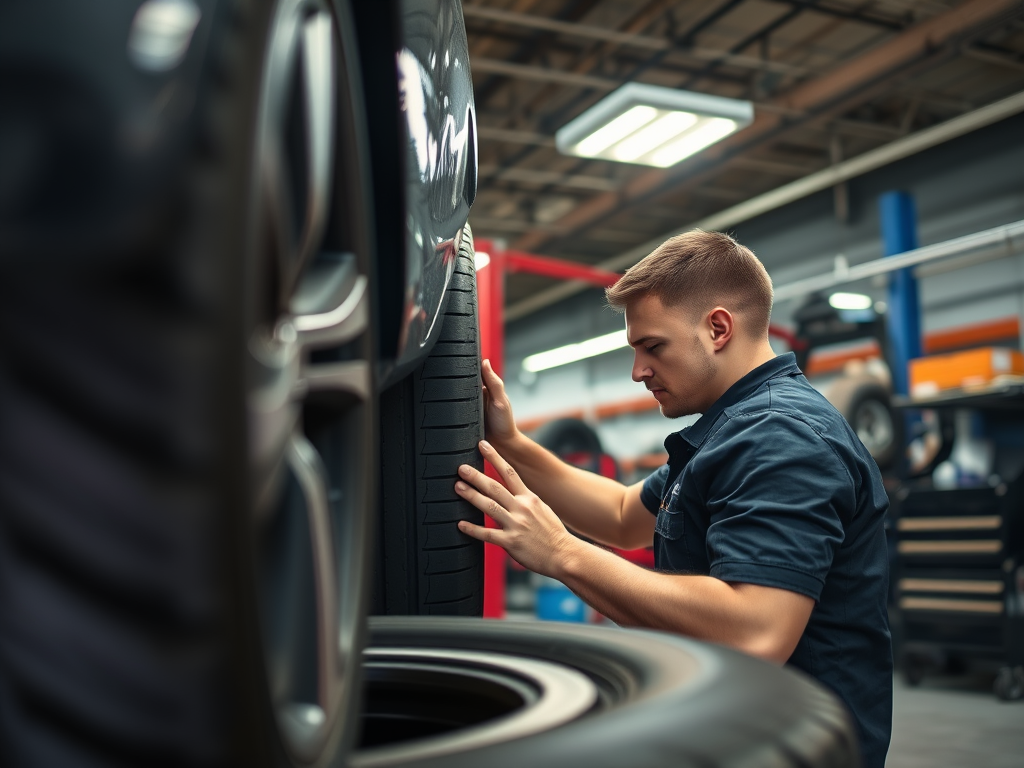
2. Change to Winter Tires
Winter tires are specifically designed for cold temperatures and offer better traction on snowy or icy roads. All-season tires may not perform well in winter conditions, so switching to winter tires can make a significant difference in your safety.
- Winter tires are made of a softer rubber that remains flexible in cold weather, enhancing grip.
- Look for tires with deeper treads to improve traction on slippery surfaces.

3. Use the Right Oil
Cold weather thickens motor oil, which can make starting your vehicle more difficult and put extra strain on the engine. To avoid this:
- Use a lower-viscosity oil, such as 5W-30, which flows more easily in cold temperatures.
- Check your oil regularly and top it up as needed, especially in freezing conditions.

4. Inspect Your Wiper Blades and Fluid
Visibility is crucial during winter, and that means having functional wipers and plenty of windshield fluid. Ice, snow, and road salt can create a mess on your windshield, so proper wiper maintenance is a must.
- Replace worn or damaged wiper blades before winter sets in.
- Use winter-specific windshield wiper fluid, which is designed to work in low temperatures and prevent freezing.
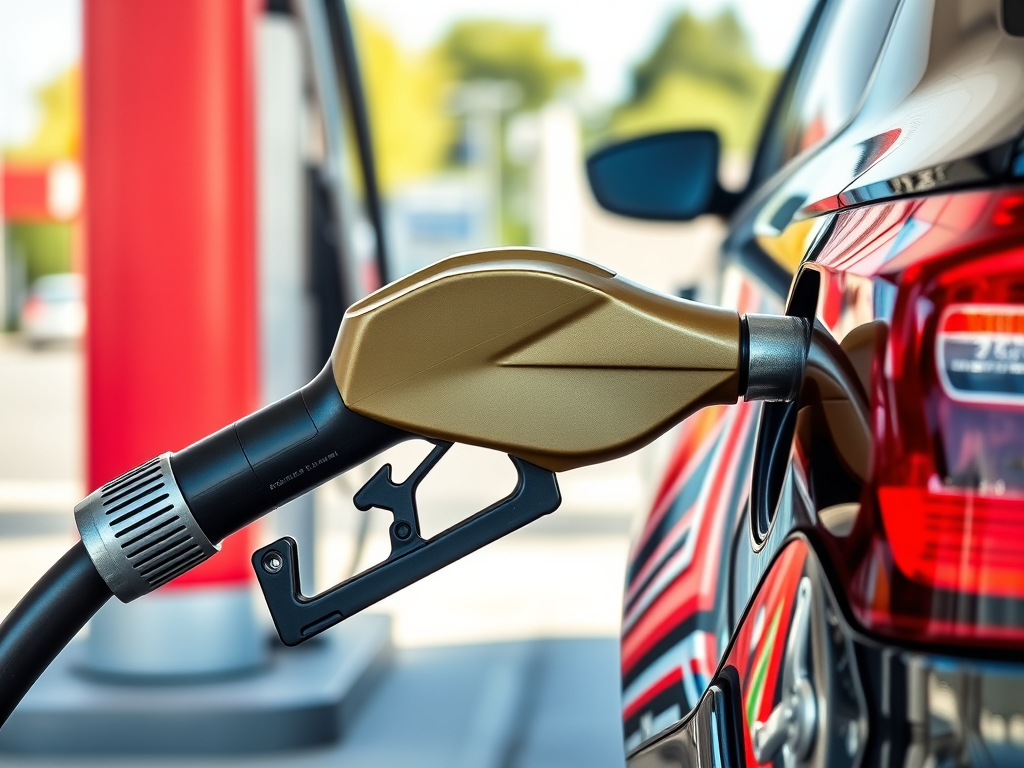
5. Keep Your Gas Tank Full
In winter, condensation can form inside an almost empty fuel tank, leading to potential engine problems. Keeping your gas tank at least half full helps reduce the chance of this occurring.
- A full tank also ensures you’re prepared for any emergency situations, such as getting stuck in snow or traffic delays.
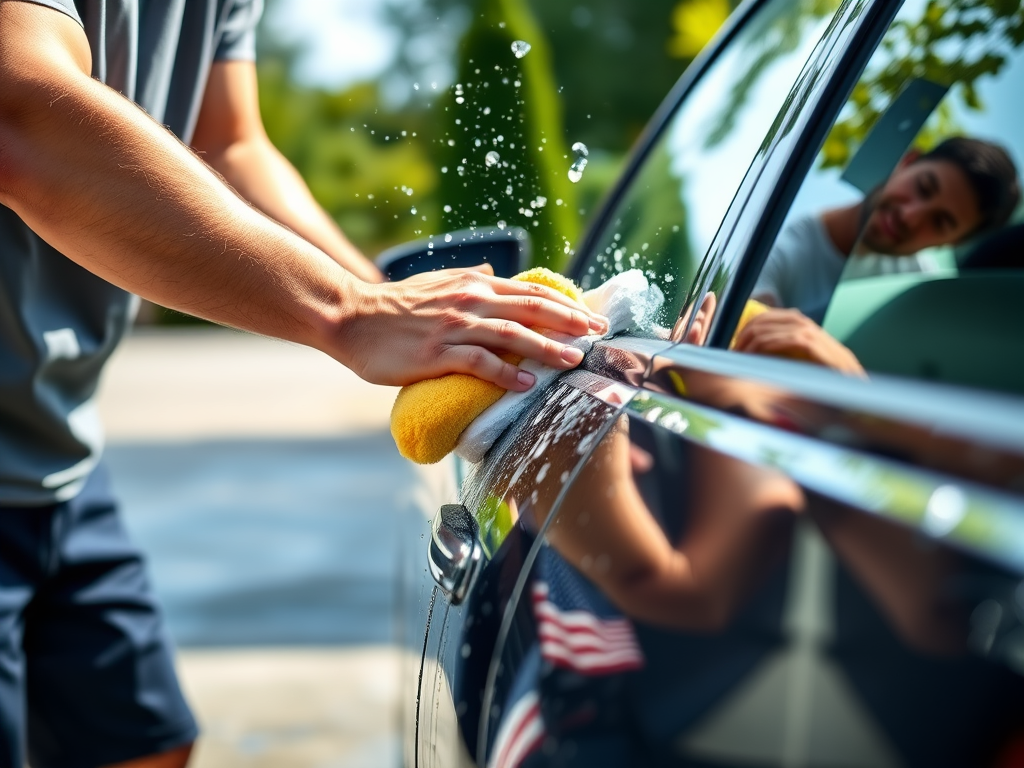
6. Protect the Exterior
Cold weather can cause salt, grime, and dirt to accumulate on your car’s exterior, potentially leading to rust. Regular cleaning and protection can help keep your vehicle looking good and maintain its integrity.
- Wash your car frequently during winter to remove road salt and grime.
- Apply a coat of wax to protect the paint and create a barrier against moisture.

7. Prepare for Emergencies
Winter driving can be unpredictable, so it’s important to be ready for emergencies. Keep essential supplies in your car in case you get stranded.
- Pack a winter emergency kit that includes blankets, a flashlight, extra batteries, a first-aid kit, non-perishable snacks, and a shovel.
- Carry sand or cat litter in your car to help with traction if you get stuck in snow or ice.
Conclusion
Winter can be harsh on your vehicle, but with the right precautions, you can ensure it remains reliable and safe. Regular maintenance, tire care, and taking steps to protect your car’s exterior will help prevent damage from the cold weather. Stay prepared, and your vehicle will serve you well throughout the winter months.
 Motor keeper
Leave a comment