

Essential Tips and Techniques
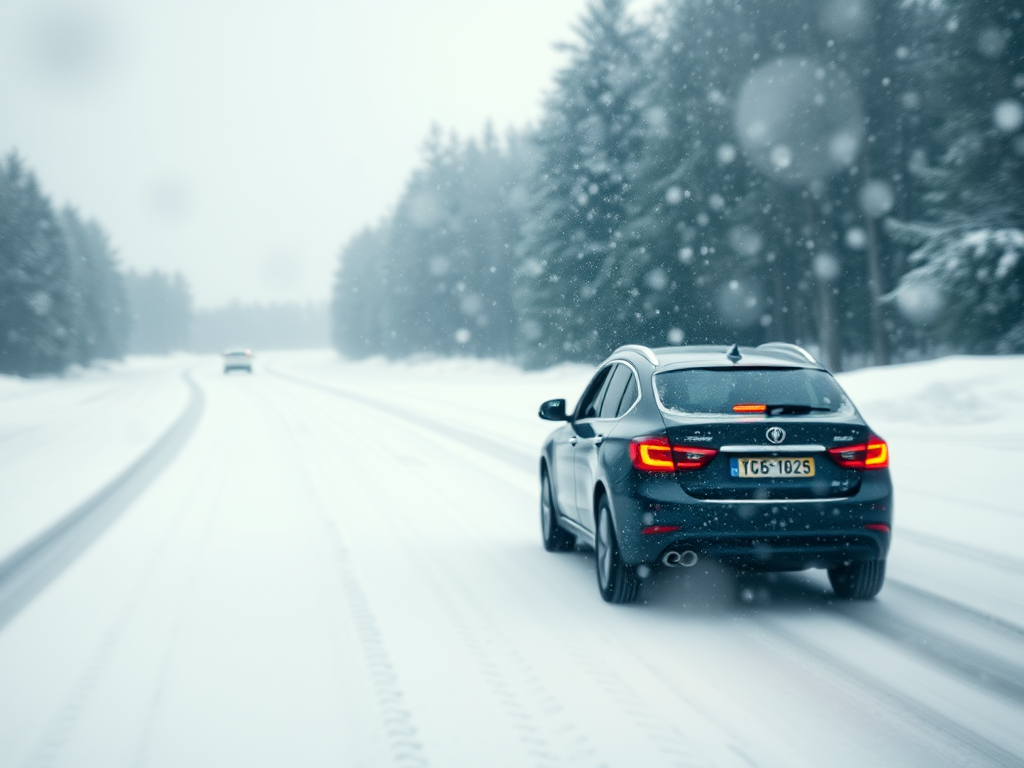
Teaching your teen how to drive in snowy conditions requires patience, careful planning, and a clear understanding of winter driving techniques. Snow and ice present unique challenges that every new driver must learn to navigate safely. Here’s how you can guide your teen through the process and equip them with the skills they need to stay safe on snowy roads.
Start with the Basics: Understanding Snowy Roads
Before getting behind the wheel, it’s important to educate your teen about how snow and ice affect vehicle handling. Snow can reduce tire traction, leading to slippery conditions, while ice is even more treacherous. Emphasize the importance of reduced speeds, increased stopping distances, and smooth, deliberate maneuvers.

Practice Techniques for Winter Driving
- Choose the Right Location: Begin by practicing in a safe, controlled environment, such as an empty parking lot that has been cleared of snow. A quiet street with minimal traffic is also ideal. This gives your teen the opportunity to experience the feel of driving in snow without the stress of other drivers.
- Accelerating and Braking Smoothly: Encourage your teen to accelerate and brake slowly and gently. In snowy conditions, sudden movements—whether hard braking or rapid acceleration—can cause the car to lose traction. Practice gentle starts and stops so they can learn to control the vehicle smoothly.
- Handling Skids: One of the most important skills is knowing how to handle a skid. If the car starts to slide, your teen should avoid panicking. Teach them to gently steer into the direction of the skid (turning the wheel toward where they want to go), and to avoid slamming on the brakes, as this can make the skid worse. Practice controlled skidding in a safe area to help them build confidence.
- Turning in Snow: When taking a turn, remind your teen to slow down significantly before turning. If they take a turn too fast, the tires may lose traction, and they could slide out of control. Practice making slow, controlled turns and gradually increasing the difficulty as they become more confident.
- Nighttime and Low Visibility Driving: Snowy weather often comes with poor visibility. Teach your teen to use their headlights and defroster to keep windows clear. If the conditions are severe, they should learn to pull over and wait until visibility improves.
What to Do in Case of an Emergency
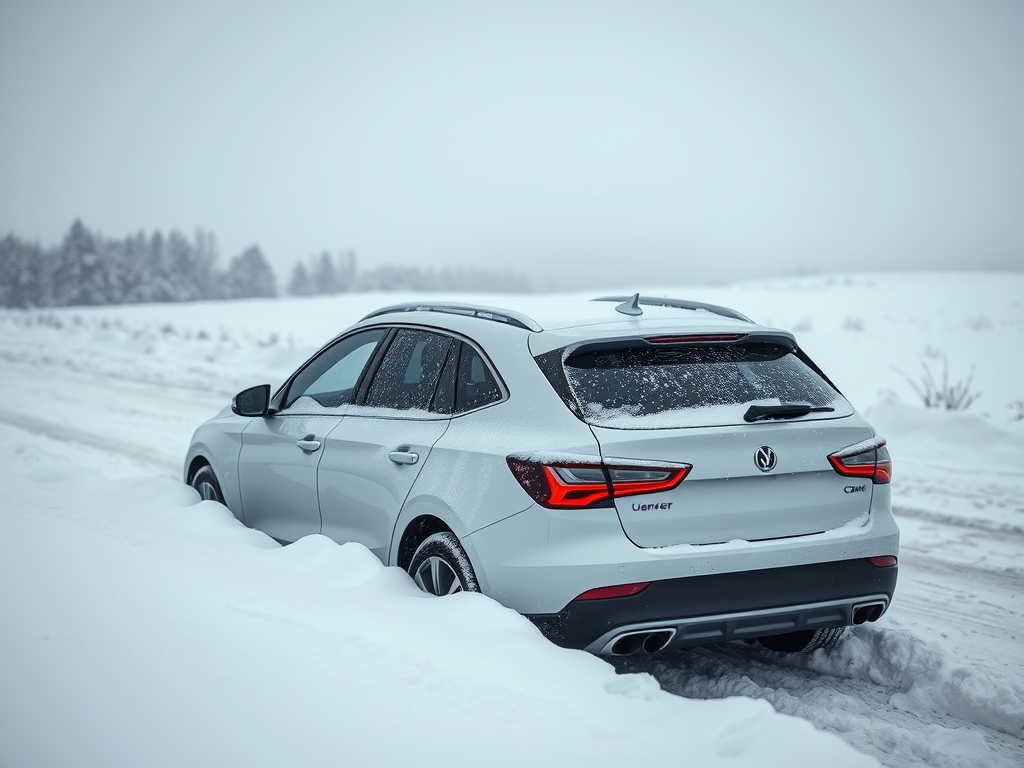
Despite the best preparations, emergencies can still happen. Teach your teen the following steps for responding to a wintertime emergency:
- Stay Calm: In any emergency situation, staying calm is essential. Panicking can worsen the situation and make it harder to think clearly.
- Get to a Safe Location: If the car breaks down or they’re involved in a minor accident, they should move the vehicle to the side of the road (if possible) to avoid further danger.
- Call for Help: If necessary, have your teen call emergency services or a roadside assistance service. If they’re unable to make the call themselves, they should know when and how to ask for help.
- Stay Inside the Vehicle: In extreme cold, it’s safer to stay inside the vehicle rather than attempting to walk for help. Keep the windows slightly cracked open to avoid carbon monoxide buildup if the car is running.

Essential Items for Your Car’s Winter Emergency Kit
Prepare your teen’s car with a winter emergency kit that includes the following items:
- Blankets and warm clothing (hats, gloves, scarves)
- Jumper cables to start the car if the battery dies
- Sand or kitty litter for traction if the car gets stuck
- Flashlight and extra batteries
- Non-perishable snacks and water
- First aid kit
- Ice scraper and snow brush for clearing windows
- Shovel for digging out the car
- Phone charger to ensure the phone stays powered
Conclusion
Teaching your teen how to drive in the snow takes time, practice, and plenty of patience. Focus on building their confidence in a safe, controlled environment before venturing out into more challenging conditions. By mastering winter driving techniques and being prepared with an emergency kit, your teen will be better equipped to handle the unpredictable nature of winter roads.
 Motor keeper
Leave a comment