
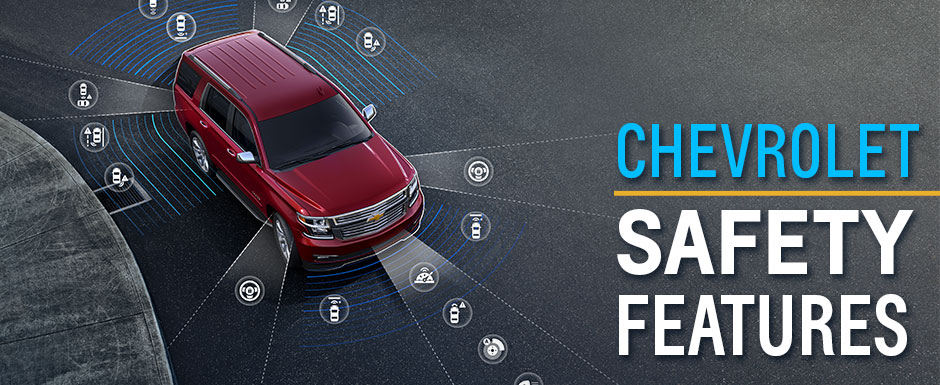

When choosing a car for your family, safety is likely your top priority. Fortunately, modern vehicles come equipped with advanced safety features designed to keep your loved ones secure on the road. While these features may sound technical, their purpose is simple: to prevent accidents and protect your family in the event of one.
Here’s a look at some of the most important safety features every family car should have—explained in a simple, non-technical way.
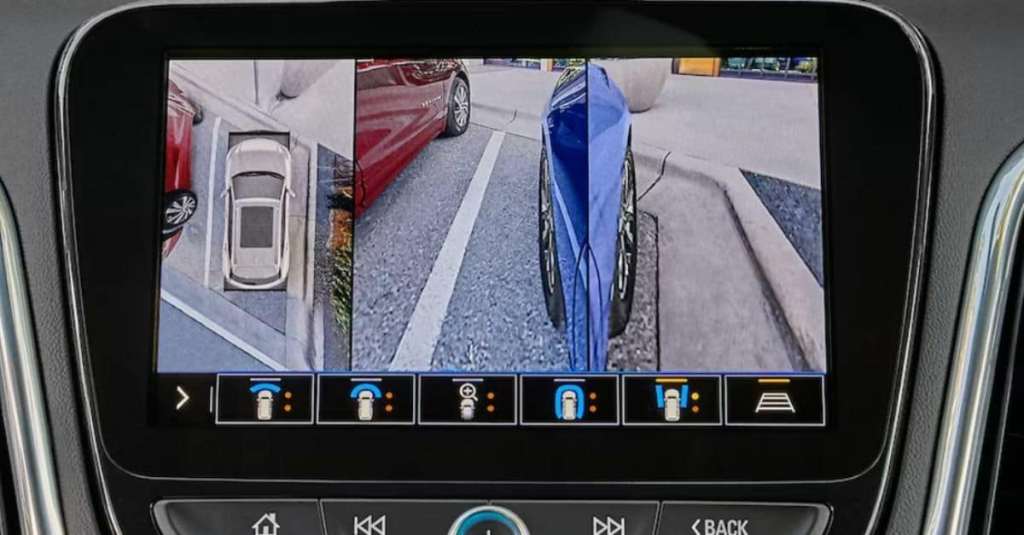
1. Backup Camera
Reversing out of driveways or parking spots can be tricky, especially when kids or obstacles are behind your vehicle. A backup camera shows a live video feed of what’s directly behind your car when you shift into reverse, helping you avoid accidents.
- Why it’s great for families: Backup cameras are especially helpful for preventing backover accidents, ensuring you don’t miss something (or someone) small behind the car, like a child’s bike or even a pet.
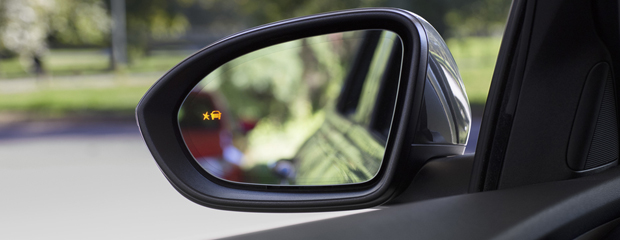
2. Blind-Spot Monitoring
Even the most careful drivers have blind spots—areas around the car that you can’t see using your mirrors. Blind-spot monitoring uses sensors to detect when another vehicle is in your blind spot and alerts you, usually with a light on your side mirror.
- Why it’s great for families: Whether you’re merging onto a highway or changing lanes in traffic, this feature reduces the risk of colliding with cars you can’t see. It’s an extra set of eyes when you need them most.
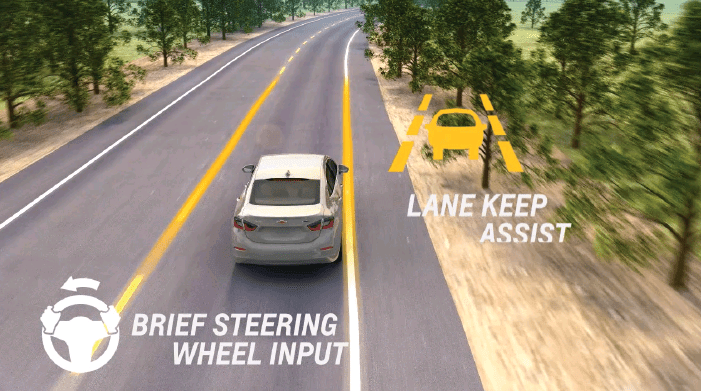
3. Lane Keep Assist
Staying in your lane, especially on long drives or in busy traffic, is critical for avoiding accidents. Lane keep assist uses cameras to monitor your car’s position on the road. If you start to drift out of your lane without signaling, the system will alert you, and some cars will even gently steer you back into place.
- Why it’s great for families: This feature helps prevent accidents caused by distracted or drowsy driving, giving you an extra layer of protection when your focus slips.

4. Automatic Emergency Braking (AEB)
Sometimes, things happen so fast on the road that you don’t have time to react. Automatic emergency braking helps prevent or reduce the severity of collisions by automatically applying the brakes if it senses an imminent crash with another vehicle or a pedestrian.
- Why it’s great for families: AEB can help you avoid rear-end collisions in stop-and-go traffic or when someone suddenly stops in front of you. It’s like having a backup plan for those unexpected moments.

5. Adaptive Cruise Control
Adaptive cruise control is a smart version of regular cruise control. It automatically adjusts your car’s speed to keep a safe distance from the car in front of you, slowing down and speeding up as needed without you having to constantly brake or accelerate.
- Why it’s great for families: This feature is especially useful on long road trips, reducing fatigue by taking over the small adjustments you would otherwise have to make. It keeps the drive smooth and stress-free, even in heavy traffic.

6. Rear Cross-Traffic Alert
When backing out of a parking space, it can be difficult to see cars or pedestrians approaching from the sides. Rear cross-traffic alert uses sensors to detect traffic crossing behind you and warns you if a vehicle or person is approaching.
- Why it’s great for families: This feature reduces the risk of backing into moving traffic, a common issue in busy parking lots or residential areas. It’s especially helpful when your view is obstructed by larger vehicles parked beside you.
Final Thoughts
When it comes to keeping your family safe on the road, today’s cars are equipped with cutting-edge technology designed to help prevent accidents and protect your loved ones. Features like backup cameras, blind-spot monitoring, and automatic emergency braking can give you extra peace of mind, ensuring that your vehicle is prepared to handle any unexpected situation.
Investing in a car with these modern safety features is one of the best ways to protect your family, making every drive a little bit safer.
 Motor keeper
Leave a comment