


Signs It’s Time for a New Vehicle
As your family grows and your lifestyle changes, your vehicle should meet those evolving needs. Whether you’re shuttling kids to school, heading out on family vacations, or running daily errands, your car should provide comfort, safety, and reliability. But how do you know when it’s time to say goodbye to your current vehicle and upgrade to something new?
Here are some clear signs that it might be time to upgrade your family car.

1. Your Family Has Outgrown Your Car
As your family expands, so do your space requirements. What once was a perfect fit might now feel cramped, especially when you add in car seats, strollers, or sports equipment. If you find yourself struggling to fit everything inside or feeling cramped on every trip, it may be time to look for a vehicle with more space.
- Not enough room for extra passengers: If you’ve recently added another child to the family or have older kids who need more legroom, your current car might feel too small. A larger vehicle like an SUV or minivan may provide the extra seating you need.
- Lack of storage space: Does the trunk feel too small for grocery runs or family trips? If you’re always struggling to fit strollers, sports gear, or weekend luggage, an upgrade to a car with more cargo space will make daily life much easier.
- Difficulty fitting car seats: As children grow, so do their car seats. Some vehicles don’t accommodate multiple car seats comfortably, especially when trying to maintain proper safety guidelines.
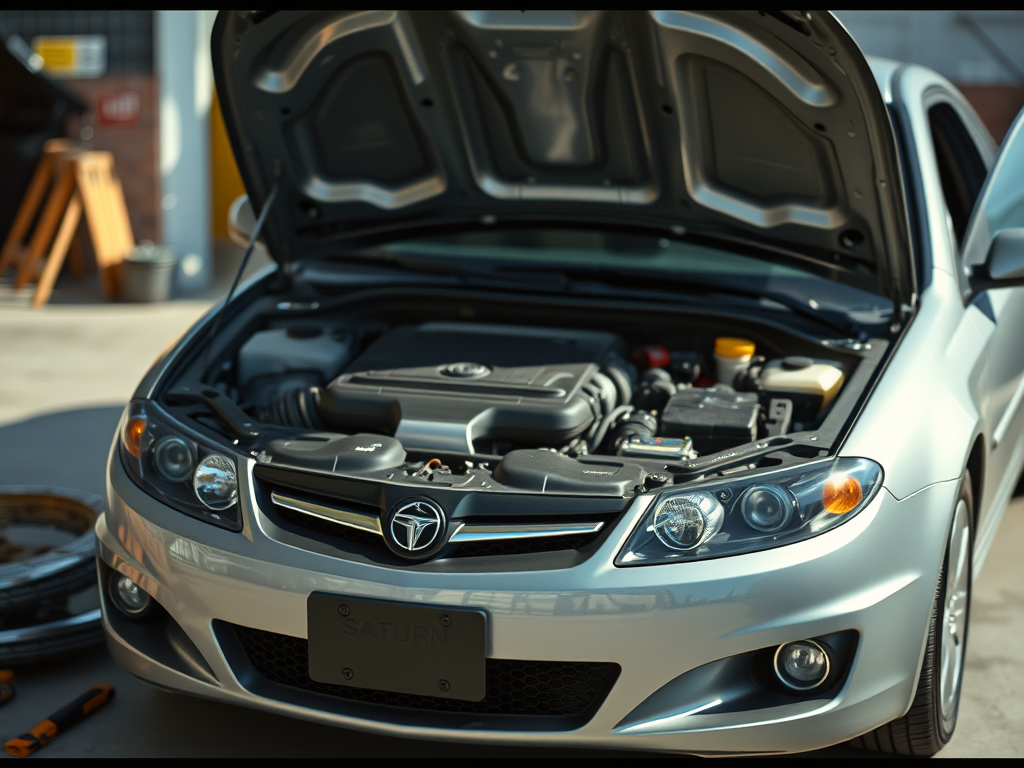
2. Frequent Repairs Are Becoming Expensive
One of the most obvious signs that it’s time for an upgrade is when your car starts to cost more in repairs than it’s worth. Older cars are more prone to breakdowns, and replacement parts for aging vehicles can become both expensive and hard to find.
- Regular breakdowns or repairs: If you find yourself visiting the mechanic frequently, whether for major repairs or smaller issues, this is a clear sign that your car’s reliability is decreasing.
- Expensive replacement parts: Older cars often require more costly parts, especially if the model is no longer in production. The expense of frequent repairs can add up quickly.
- Unpredictable issues: Having your car break down unexpectedly, especially when you have kids in tow, is not just inconvenient—it can also be unsafe. A newer vehicle will offer peace of mind and reliability.

3. Safety Concerns with Older Features
Safety is a top priority for any family. If your car lacks modern safety features, it may no longer be the best option for keeping your loved ones protected on the road. Today’s vehicles come equipped with advanced technology designed to help prevent accidents and keep your family safe.
- No backup camera, blind-spot monitoring, or lane assist: These are now common features in many new vehicles, and they provide critical assistance in preventing accidents. If your car lacks these systems, you could be missing out on added safety.
- Poor crash test ratings: Older cars may not meet current safety standards. A car with poor crash test ratings or outdated safety features may not offer the level of protection your family needs in an accident.
- Missing airbags or child safety seat anchors: If your car lacks basic safety features like advanced airbag systems or LATCH anchors for car seats, it’s worth considering an upgrade to a vehicle that offers modern safety equipment.

4. Declining Fuel Efficiency
As cars age, their fuel efficiency tends to decrease. Older engines are less efficient, and wear-and-tear can reduce your car’s overall performance. In today’s economy, frequent trips to the gas station can significantly impact your budget. A more fuel-efficient car could save your family time and money.
- Frequent refueling trips: If you notice that you’re filling up the tank more often, your car’s fuel efficiency may be on the decline.
- Noticeable decline in MPG: Check your vehicle’s miles per gallon (MPG). If it’s much lower than when you first bought it, this is a sign of reduced fuel efficiency.
- Rising fuel expenses: Higher fuel costs can take a toll on your family’s budget. A newer model with better fuel economy—or even a hybrid or electric vehicle—could lead to significant savings in the long run.

5. You’re Ready for the Latest Technology
Technology has come a long way in recent years, and newer cars come with features designed to make your life easier and more enjoyable. If your current car lacks entertainment, navigation, or convenience features, an upgrade could make every drive more comfortable and fun for your family.
- Lack of entertainment systems for kids: Modern vehicles often have built-in entertainment systems with screens, games, or streaming capabilities that can keep your kids entertained on long trips.
- No Bluetooth or smartphone integration: If you can’t connect your phone to your car for hands-free calls, music streaming, or navigation, you’re missing out on a feature that makes driving safer and more convenient.
- Outdated navigation or audio system: Newer cars offer advanced GPS systems, high-quality audio, and touchscreen controls, making trips easier and more enjoyable for the whole family.
Final Thoughts: Knowing When to Make the Switch
Upgrading your family car is a big decision, but one that can greatly improve your family’s day-to-day life. If you’re experiencing any of these signs—whether it’s the need for more space, better safety features, or improved fuel efficiency—it might be time to start considering a new vehicle.
A newer car can offer the comfort, reliability, and technology that makes family life easier, and ensure that every journey is safe, enjoyable, and stress-free.
 Motor keeper
Leave a comment